


.avif)
Preparing Your NH Home for Fall Overwintering Pests: September Action Plan
- surremorinsights
- Dec 15, 2025
- 7 min read


Every fall, New Hampshire homeowners face the same unwelcome reality: as temperatures drop across the Granite State, millions of insects and rodents begin their annual search for warm shelter. Your home, with its heated walls and protected spaces, looks like a five-star resort to mice, cluster flies, stink bugs, and dozens of other overwintering pests.
The good news? You have a narrow window to stop them—and it's right now. September is the critical month for fall pest prevention in New Hampshire, and the actions you take in the next few weeks will determine whether you spend the winter pest-free or battling invaders until spring.
At Purely Nature's Way, we've helped homeowners from Manchester to Littleton protect their homes using natural, eco-friendly methods that work with New Hampshire's unique climate and pest pressures. Here's your complete action plan for the season ahead.
Why September Is Your Pest Prevention Deadline

New Hampshire's overwintering pests operate on a predictable schedule driven by temperature and daylight. Understanding this timing is the key to effective prevention.
When nighttime temperatures begin dropping below 50°F—typically mid-September across most of New Hampshire—insects receive their biological signal to find shelter. But here's what most homeowners miss: pests don't wait for cold weather to scout locations. Stink bugs, cluster flies, and Asian lady beetles begin congregating on sun-warmed building exteriors as early as late August, probing for entry points they'll use weeks later.
This creates a firm deadline. Exclusion work completed after September 10th is often too late for cluster flies. Stink bugs congregate heavily between September 1st and 20th. By the time you notice pests inside, hundreds or thousands more may already be hidden in your wall voids, attic spaces, and ceiling cavities—waiting to emerge on warm winter days and again in spring.
The message is clear: prevention now is worth ten times the effort of treatment later.
New Hampshire's Most Common Fall Invaders
With 82% forest cover—the second-highest in the nation—New Hampshire creates ideal conditions for pest populations. Here are the invaders most likely targeting your home this fall.
Rodents: The Number One Threat

House mice and white-footed mice top the list of fall concerns for NH homeowners. These aren't just nuisance pests—mice contaminate food, damage insulation and wiring, and can spread diseases including hantavirus and salmonella.
Mice begin seeking indoor shelter when temperatures drop, but they scout entry points much earlier. A mouse can squeeze through a hole the size of a dime. A rat needs only a quarter-sized gap. That crack under your garage door, the gap around your dryer vent, the space where your cable line enters the house—these are all open invitations.
Signs of rodent activity include droppings (small, dark pellets), gnaw marks on food packaging or wood, scratching sounds in walls at night, and greasy rub marks along baseboards where mice travel repeatedly.
Cluster Flies

If you've ever had dozens of large, sluggish flies appearing at your windows on sunny winter days, you've met cluster flies. Unlike house flies, cluster flies don't breed indoors—they're purely seeking shelter from the cold.
Cluster flies are particularly common in rural and agricultural areas of New Hampshire because their larvae develop as parasites in earthworms. Properties near fields and farms often see the heaviest infestations.
These flies congregate on south and west-facing walls in early September, then squeeze through tiny gaps to spend the winter inside wall voids and attic spaces. A single home can harbor thousands. They don't bite or spread disease, but the sheer numbers—and the distinctive sickly-sweet smell of large infestations—make them a significant nuisance.
Brown Marmorated Stink Bugs

First confirmed in New Hampshire in Portsmouth in 2010, the brown marmorated stink bug has rapidly spread across the state. These shield-shaped insects earned their name honestly: disturb them, and they release an unpleasant odor from glands on their thorax.
Stink bugs are agricultural pests during summer, feeding on fruit trees and garden crops. Come fall, they shift focus to finding overwintering sites. They're strongly attracted to light-colored buildings, especially those with sun exposure, and can enter through cracks as small as 1/16 inch.
The September 1-20 window is critical for stink bug prevention. Once they're inside your walls, there's no effective way to eliminate them until they emerge in spring.
Western Conifer Seed Bugs
These large, brownish insects with distinctive leaf-shaped hind legs have become increasingly problematic in New Hampshire since the early 2010s. They're closely associated with pine trees—abundant throughout the Granite State—and make a noisy, buzzing flight when disturbed.
Western conifer seed bugs are harmless but alarming due to their size (up to ¾ inch long). Like stink bugs, they seek indoor shelter in fall and may appear throughout winter on warm days.
Asian Lady Beetles
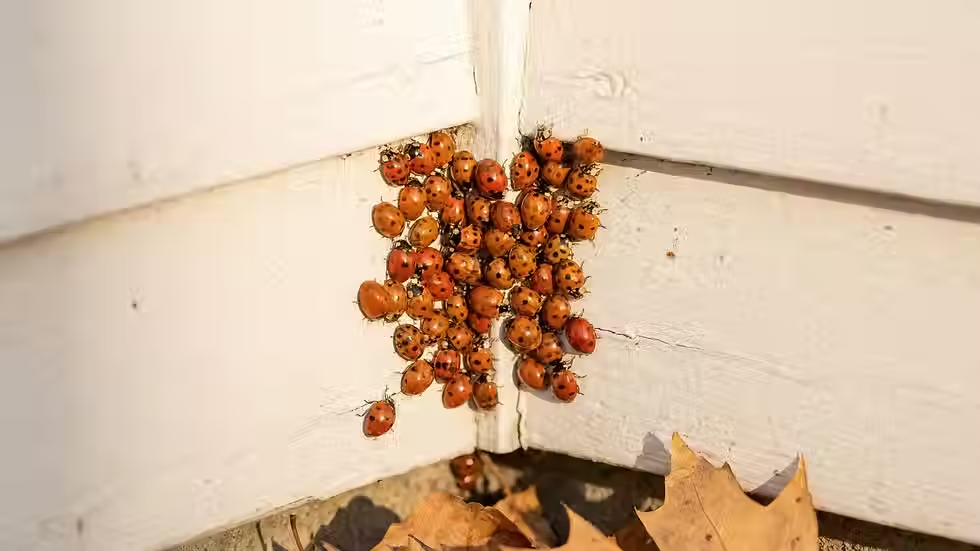
These look-alikes of native ladybugs have been in New Hampshire since 1994. You can identify them by the M-shaped marking behind their head and their tendency to congregate in massive numbers on buildings in fall.
Asian lady beetles are particularly attracted to light-colored structures near trees. When disturbed or crushed, they release a foul-smelling orange fluid that can stain surfaces. In large numbers, they can trigger allergic reactions in sensitive individuals.
Spiders, Centipedes, and Other Crawlers
While many spider species actually become less active in fall, some—including the common house spider—move indoors seeking warmth and the insects that serve as their prey. Centipedes follow similar patterns, drawn by moisture and food sources.
These pests are indicators of larger issues. Heavy spider populations suggest abundant insect prey. Centipede problems point to moisture issues in basements and crawl spaces.
Natural Prevention Methods That Actually Work
At Purely Nature's Way, we believe effective pest control doesn't require toxic chemicals. Here's how we protect New Hampshire homes using natural, eco-friendly methods.
Exclusion: Your First Line of Defense

The most effective pest control isn't about killing pests—it's about keeping them out in the first place. Proper exclusion work stops mice, insects, and other invaders before they ever enter your home.
Start with a thorough inspection. Walk around your home's exterior looking for any gap, crack, or hole. Pay special attention to foundation joints where different materials meet, areas around windows and doors, utility penetrations for pipes, wires, and vents, soffits, fascia, and roof edges, and chimney flashing and cap.
For insects, seal cracks with silicone caulk—it remains flexible and won't crack like latex-based products. For rodent-sized openings, stuff gaps with copper mesh or steel wool before caulking (mice can chew through foam and regular caulk). Install door sweeps on all exterior doors and repair or replace damaged window screens. Cover attic and foundation vents with fine mesh hardware cloth.
Diatomaceous Earth: Nature's Pest Barrier
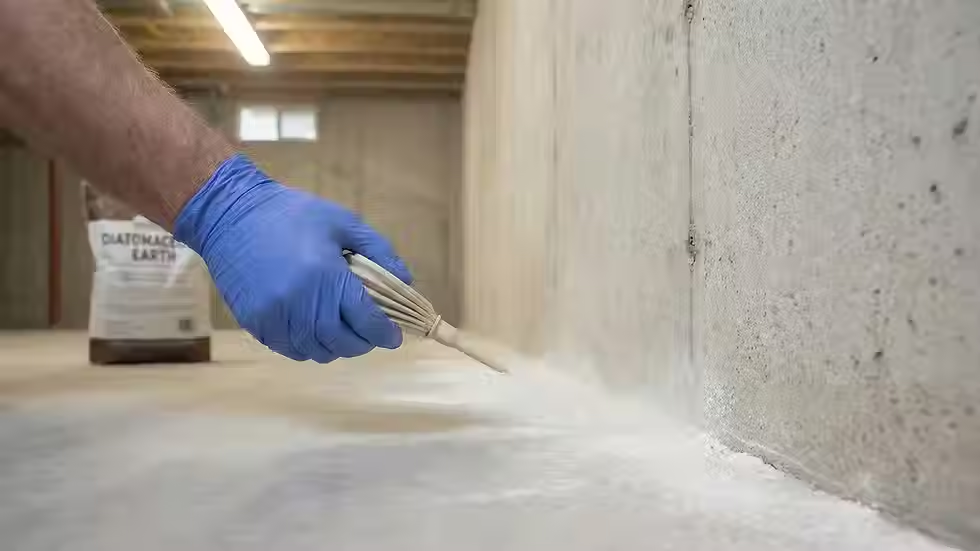
Food-grade diatomaceous earth is one of the most effective natural pest control substances available. This fine powder, made from fossilized algae, works mechanically rather than chemically—microscopic sharp edges damage the waxy coating on insects, causing them to dehydrate and die.
DE is effective against ants, cockroaches, beetles, earwigs, centipedes, and many other crawling insects. Apply it in thin layers along foundation perimeters, in wall voids (where accessible), around entry points, and in attic spaces where pests congregate.
The key to effective DE application is keeping it dry—moisture renders it ineffective. Reapply after rain or in areas with high humidity.
Essential Oil Barriers

Certain essential oils have proven repellent properties against common pests. Peppermint oil deters mice and spiders. Clove oil repels ants, roaches, and flies. Cedar oil works against moths, fleas, and silverfish. Cinnamon oil discourages ants and roaches.
These aren't magic solutions—a few drops of peppermint oil won't eliminate a mouse infestation—but when combined with exclusion and other methods, essential oil barriers add another layer of protection. We use professional-grade botanical repellent formulations applied at entry points and along pest pathways.
Targeted Natural Treatments
For specific pest pressures, we employ targeted natural solutions. Boric acid, a mineral compound with extremely low toxicity to humans and pets, is devastatingly effective against cockroaches and ants when properly applied. Botanical insecticides derived from chrysanthemum flowers provide knockdown control when needed. Strategic trapping programs address rodent issues humanely and effectively.
Your September Action Checklist
Here's what you should do right now to protect your home this fall:
Week 1-2 (Early September)
Walk your home's exterior and identify all potential entry points. Check weatherstripping on all doors and windows. Inspect foundation for cracks and gaps. Look for light filtering under doors or around windows. Examine where utilities enter the home.
Week 2-3 (Mid-September)
Seal identified entry points with appropriate materials. Install or replace door sweeps. Repair damaged screens. Apply diatomaceous earth to key areas. Clear debris and vegetation away from your foundation.
Week 3-4 (Late September)
Address moisture issues in basements and crawl spaces. Clean gutters to prevent water damage and moisture buildup. Store firewood at least 20 feet from the house. Trim tree branches and shrubs away from the structure. Consider professional inspection and treatment for high-risk properties.
When to Call Professional Pest Control
DIY prevention works well for many homes, but certain situations call for professional intervention.
You should consider professional help if you've had significant pest problems in previous years, your home is older with many potential entry points, you're seeing signs of active infestation, you have a large property that's difficult to fully inspect and seal yourself, or you want the peace of mind that comes with expert evaluation.
At Purely Nature's Way, our fall prevention service includes comprehensive exterior inspection, professional-grade exclusion work, natural barrier treatments, targeted applications for high-pressure areas, and ongoing monitoring through the season.
We serve homeowners throughout New Hampshire—from the Seacoast to the Lakes Region, the Upper Valley to the North Country. Our natural-first approach means you get effective pest protection without exposing your family, pets, or environment to unnecessary chemicals.
Protect Your Home This Fall
The clock is ticking on fall pest prevention. Every day you wait, more mice are scouting your foundation, more stink bugs are probing your siding, and more cluster flies are finding their way into your walls.
Don't wait until you're dealing with an infestation. Take action now, while prevention is still possible.
Contact Purely Nature's Way today for a free fall pest prevention inspection. We'll identify your home's vulnerabilities, recommend the right solutions, and help you enjoy a pest-free winter—naturally.
Call [PHONE NUMBER] or visit purelynatures.com to schedule your free inspection.
Frequently Asked Questions
When do mice start coming inside in New Hampshire?
Mice begin seeking indoor shelter when temperatures consistently drop below 50°F, typically mid-to-late September. However, they scout for entry points earlier, making September the ideal time for exclusion work.
How do you prevent cluster flies naturally?
Natural cluster fly prevention focuses on exclusion before September 10th. Seal all cracks around windows, doors, and siding. Essential oil barriers using clove and peppermint can deter entry, while diatomaceous earth in wall voids provides lasting protection.
What attracts stink bugs to your house?
Stink bugs are attracted to light-colored buildings that absorb warmth from the sun. They congregate on south and west-facing walls in September seeking overwintering sites. Gaps as small as 1/16 inch allow entry.
Is natural pest control effective for fall pests?
Yes. Natural methods like diatomaceous earth, essential oil barriers, and thorough exclusion work are highly effective when applied correctly. The key is timing—prevention before pests enter is far more effective than treatment after they're established.
How much does fall pest prevention cost?
Costs vary depending on home size and pest pressure. Contact us for a free inspection and customized quote. Most homeowners find that prevention costs far less than dealing with a full infestation later.


Comments